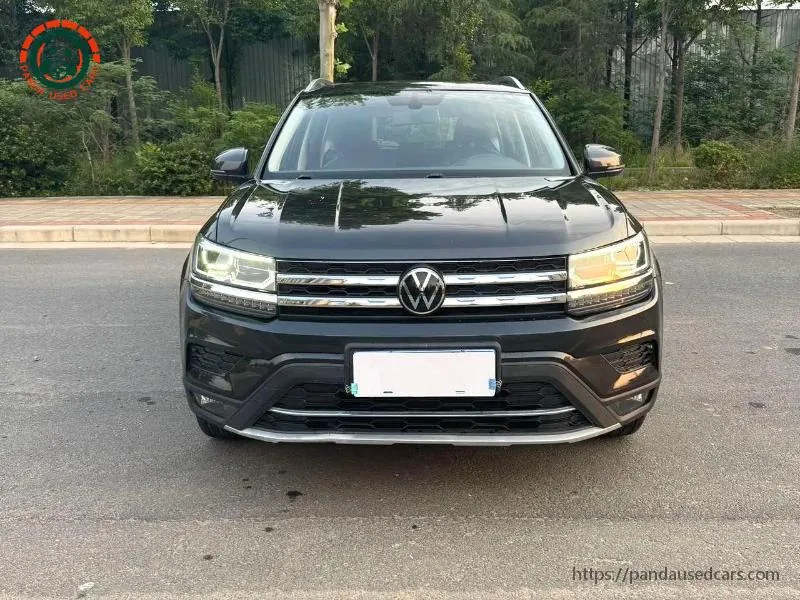
Identify generations from original records, not registration alone
Request production, full model and original-market configuration for both VINs. The generation decoder retains regional and body distinctions. A later registration can belong to earlier manufacture, while changed exterior parts can alter presentation without changing the underlying car. Do not assign a European generation solely from an American or China-market advertisement’s year label. Record applicable instructions and actual installed systems before comparing. The manufacturer’s dated launch reference can explain the named European context; it does not certify the supplier’s stock or every historical vehicle that carries the badge. A coherent comparison starts with identifiable configurations rather than two appealing registration numbers.
List changes that matter to the actual buyer
Write practical requirements for occupants, luggage, climate, parking and ordinary controls. Use the family-loading guide and garage access trial on the actual cars rather than infer usefulness from body styling. Trial required functions and keep optional preferences separate. More recent displays, lighting or seating may be valuable, but a changed interface can suit drivers differently. Mark what was observed and what remains untested. Do not award the entire newer-car premium to features available only on a different trim or original-market configuration. The useful change is the one the offered vehicle actually delivers in the buyer’s intended routine.
Compare propulsion on a complete and consistent basis
Identify engine, gearbox, drive system and any hybrid equipment with the powertrain guide. A generation name does not assign every European drive option to a regional used car. Where the alternatives differ materially, use the specific eTSI-versus-eHybrid decision or TSI-versus-TDI buying comparison rather than present a broader production update as a universal economy improvement. Obtain credible operating observations and relevant service records. Do not mix the price of one propulsion package with the range or output of another. The accepted actual car must support the same route and energy routine used to justify its acquisition.
Assess present condition separately from original engineering changes
Arrange qualified inspection covering relevant history, structure, propulsion, chassis and electronics through the inspection checklist. A documented earlier candidate can be more understandable than a later one with unresolved repairs, while a healthy newer car may justify its extra amount. Preserve diagnostic and test limits rather than promise remaining life from recency. Use appropriate DSG condition evidence for a relevant identified system and retain qualified causes for reported symptoms. Newer equipment cannot compensate for material uncertainty that affects the buyer’s support or essential suitability. Conversely, age does not by itself prove that a presently acceptable older configuration needs every possible major component replaced.
Establish support for the exact hardware and regional functions
Ask receiving providers about parts, diagnostics and maintenance through the VIN fitment file. Shared platform or manufacturer branding does not guarantee modules and body components are interchangeable across generations. For essential phone and account functions, use the connectivity handover guide with actual hardware and supported eligibility. A promised future update should not count as a confirmed benefit. Verify coverage independently from the paid service route through the warranty/support file. A familiar local dealer can exist while the original-market import still needs separate applicability answers. Retain those results before valuing the apparently newer ownership experience as straightforward and fully supported.
Approve the demonstrated upgrade at a preparation-adjusted total
Normalise inspection, essential work, supplied items and readiness through the price guide. Use the three-year ownership worksheet with credible inputs and cautious exit assumptions, not a guaranteed later-generation resale premium. Pay for actual useful improvements when the condition and support route make the complete difference acceptable. Choose a supported earlier package where it meets essential requirements naturally, or investigate a specific gap before deciding. Preserve production and equipment in the purchase schedule. A replacement described as another third-generation Tiguan should receive its own review instead of inheriting approval from the first vehicle’s demonstrated features and condition.
Compare the acceptance conditions
- Upgrade is meaningful
- Confirmed improvements serve ordinary use and the actual newer candidate has acceptable condition, regional functions and exact support.
- Resolve generation assumptions
- Registration, exterior appearance or borrowed international records do not identify the offered car; obtain the original-market evidence first.
- Earlier car is coherent
- It meets essential requirements with understandable preparation and support, while the newer premium mainly buys preference or unconfirmed benefits.
Buyer evidence checklist
- Production and original-market generation record
- Useful features demonstrated on both cars
- Full propulsion and regional function identity
- Qualified present findings and exact parts route
- Comparable complete premium and exit assumptions
Questions before you buy
Does a registration year identify one global Tiguan generation?
No. Build, original market, body and installed configuration need their own records; regional production and registration labels should not be merged.
Must a newer generation be the better used purchase?
Not automatically. Useful changes, actual condition, receiving support and complete price determine the value of the offered vehicle.
Primary and regional references
Each reference describes its own market or commercial scope; it does not identify the offered VIN or prove its condition or availability.
Volkswagen European new-generation premiere: dated scope ↗