New removes road history; used may reduce acquisition cost. Neither removes identity checks.
Decision boundary
For a new car, verify production age, storage, odometer, transport marks and warranty territory. For used, add ownership, service, collision, flood and mileage evidence.
Evidence register
Apply VIN-level acceptance to both conditions and price destination compatibility before treating warranty or equipment as value.
Where the risk sits
A domestic warranty or connected service may not travel with an independent export. Low mileage does not prove regular service. Value warranty only after the overseas warranty and campaign check.
Candidate scenario
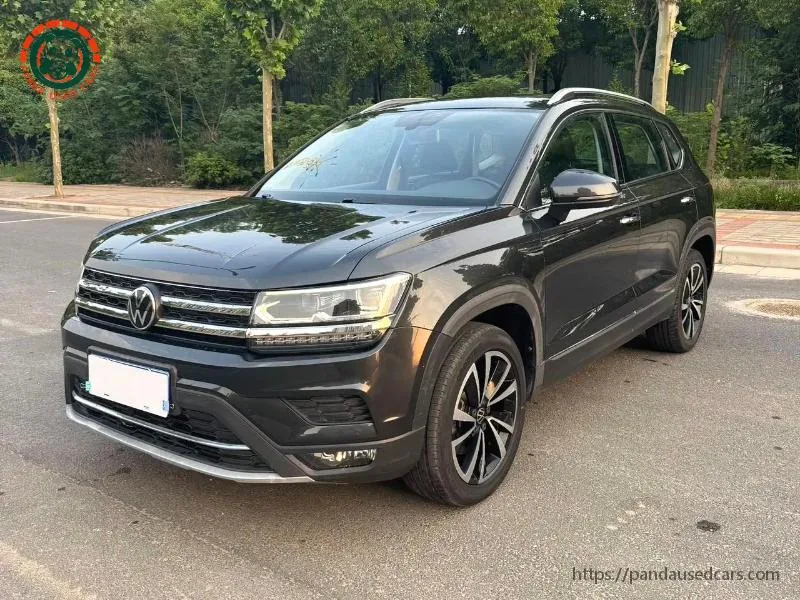
A documented used second-generation Tiguan may suit one support network better than an unfamiliar new market version.
Version-specific control
A shortlist must compare like with like. Use one delivery boundary, one currency date and named evidence fields. Unknown values stay unresolved rather than becoming assumptions that make an offer look complete.
Export and ownership consequence
Connect payment to identity, inspection, contract and loading milestones so urgency cannot weaken the buyer standard. Record who must confirm each open field, what document or test closes it, and when that evidence expires.
Buyer hold points
Mark specification, production age, warranty territory before commercial acceptance. Keep history, correction cost, landed value visible until the responsible reviewer closes them. A changed VIN, beneficiary, delivery point or accepted exception reopens the affected gate.
Arrival handover
Freeze odometer, warnings, keys, accessories, body condition and unresolved actions before loading. Compare arrival condition with the loading file before cleaning or repair, and preserve the record for claims and workshop handover.
Set rejection rules before the seller discussion
Write which failures in specification, production age, warranty territory make a Tiguan unsuitable even if the price falls. Separate those from repairable findings and preferences. For every unresolved item, record the maximum acceptable repair, delay or destination consequence. This prevents negotiation from quietly changing the buyer's original standard.
Make the result repeatable
Give a second reviewer the VIN file without the seller's summary. That person should locate the evidence behind history, correction cost, landed value and explain the pass, hold or reject result. If the answer depends on an undocumented conversation, obtain a dated written statement or leave the field unconfirmed.
Audit the file before approval
Keep the sourcing brief and the seller response as separate records. The brief states what the buyer will accept; the response must identify a real VIN, custody status, quotation boundary and evidence date. Recheck availability before any payment because a listing can remain online after a car is reserved or sold. A substitute vehicle starts a new approval cycle even when its colour, trim name and asking price appear identical.
Read the record as if the original salesperson were unavailable. The conclusion about specification, production age, warranty territory, history, correction cost, landed value should remain traceable to dated evidence. Resolve contradictions rather than selecting the most convenient source, and preserve every market, year, test-condition or quotation-period limit beside the claim. Record the reviewer, review date, unresolved questions and next expiry point so another person knows what must be refreshed before approval.
Record the decision, not just the data
Finish with pass, hold or reject. A hold names the missing evidence, owner and deadline. Approval means the remaining limits are understood; it does not turn an unknown into a confirmed feature.
Keep a dated source beside every material conclusion. If the seller changes the vehicle, repeat the affected checks instead of carrying approval to another VIN or model year.
New or Used Volkswagen Tiguan: Which Fits Better?: buyer checklist
- Specification
- Production age
- Warranty territory
- History
- Correction cost
- Landed value
Apply different evidence standards to each condition
A new Tiguan still needs production age, storage, odometer and delivery-condition evidence; a used one adds ownership, service, collision, flood and diagnostic history. Use the sourcing brief to keep specifications equal, then apply the used-vehicle inspection route only where road history exists.
Compare value after warranty territory and corrective work are clear. The Tiguan price guide separates acquisition cost from missing preparation, while the maintenance plan tests whether the destination can support the chosen generation. A lower used price is meaningful only when uncertainty and first-service cost remain acceptable.
Use one delivery-condition standard
Photograph and record keys, tyres, glass, panels, warning state, odometer and included accessories for both conditions before loading. A new vehicle can suffer storage or transport damage, while a used vehicle should arrive in the specifically accepted inspected condition.
Buyer questions
Does new mean zero mileage?
Confirm odometer, storage and logistics movement.
Can used be better value?
Yes, with strong history and condition evidence.
Will warranty work abroad?
Do not assign value without written destination coverage.