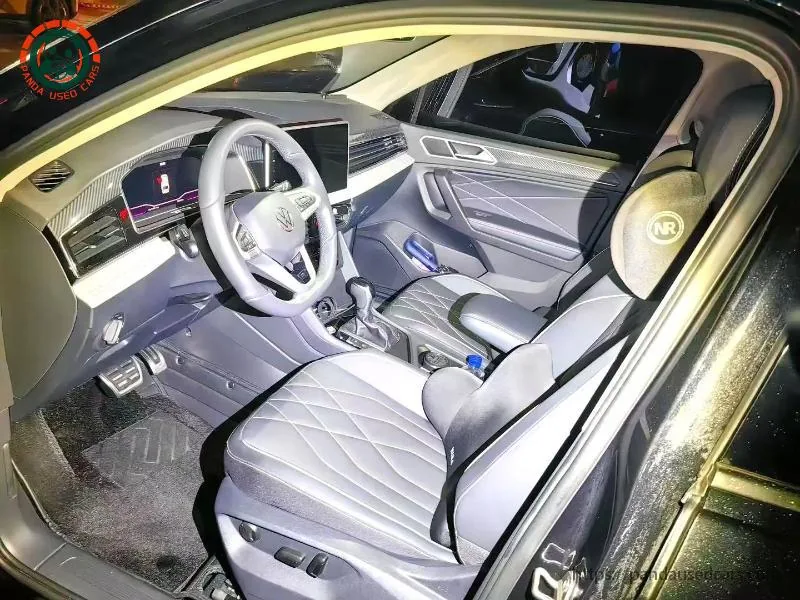
Assemble the accepted baseline for one identifiable car
Keep the initial report, dated media, original-market configuration and agreed preparation record together. The purchase equipment schedule states what final handover should match. Confirm VIN, body, seating, engine, gearbox, drive and any hybrid equipment instead of recognising only wheel design or colour. Record review date, location, qualified provider and available access. Without a coherent baseline, new photographs can show a presentable car without proving that included items or earlier work agree. The final task should answer specific acceptance questions and preserve limitations, not recreate the offer from sales shorthand or allow a differently configured allocation to inherit the first car’s approval.
Check supported work results and meaningful new observations
Review appropriate invoices, component identity, diagnostic context and qualified observations after agreed preparation. The negotiation guide separates a defined correction from an unresolved cause. An invoice supports described work but may not show that an earlier symptom has been resolved. A cleared warning or fresh consumable should not replace the original technical question. Ask the assessor what evidence establishes the result and which follow-up remains necessary. Compare new findings with earlier records without assigning responsibility from appearance alone. Important condition should stay visible even when vessel scheduling or a commercial deadline creates pressure to say the car is finished and ready for release.
Review storage and ordinary system readiness with appropriate scope
Record relevant storage time, low-voltage condition, warnings and ordinary operation using applicable instructions and qualified advice. The 12V and storage guide supplies questions rather than one universal recovery procedure. A plug-in configuration adds relevant eHybrid evidence and actual carrier scope; do not borrow its requirements for every petrol or diesel car. Preserve calendar maintenance and relevant fuel context. Earlier findings can remain useful while delivery-condition observations need updating. Elapsed time is not automatic proof of failure, and a short successful start does not certify all systems for every future duty the buyer may place on the vehicle.
Reconcile supplied keys, accessories and supported functions
Count actual keys, manuals, removable items and agreed equipment against the accepted list. Use the keys/infotainment handover file and phone-account check where essential functions formed part of acceptance. For an applicable plug-in, identify supplied charging hardware rather than replace a missing item with superficially similar unsupported equipment. Do not share passwords or count an unofficial installation as completed owner access. Work or yard movement can change supplied items even where the VIN remains the same. Retain suitable identifiers and photographs so missing or substituted accessories are addressed through the actual agreed scope instead of being silently ignored at the final handover point.
Cross-check documents with the final body and movement arrangement
Reconcile vehicle identity across relevant quotation, findings and export records through the export guide. Ask responsible professionals to confirm the actual carrier and preparation requirements with the shipping file. A previous booking cannot independently prove the final VIN, electrified configuration or included equipment matches current accepted scope. Identify who supplies documents and evidence at release. Destination eligibility remains distinct from a successful China-side yard handover. Avoid universal battery-state, fuel or loading instructions detached from the real carrier and regulatory requirements. The buyer needs an understood chain for this particular vehicle rather than a broad claim that every Tiguan moves under identical conditions.
Preserve the final comparison and respond to material changes
Save a dated final record with limitations, authorised changes and pending questions visible. Address discrepancies through the actual agreed process before release where feasible, obtaining appropriate advice instead of promising one universal cancellation or delay remedy. A substitute VIN or essential configuration change reopens affected identity, condition and equipment review. Retain the handover evidence for the first-service arrival guide so receiving observations can be compared with known records. Reinspection improves clarity but cannot guarantee damage-free transit, fault-free operation or dispute-free recovery. Its value is a current accurate comparison with the actual package and responsibility the buyer accepted, not a claim that uncertainty disappears when the car is booked for shipment.
Compare the acceptance conditions
- Ready for the agreed stage
- Identity, relevant condition, supported work, included items and document scope match the accepted baseline with understood limitations.
- Reconcile a specific mismatch
- Missing accessories, changed observations or incomplete work evidence require the appropriate agreed response before final acceptance.
- Reopen the candidate review
- The VIN or essential configuration changed, or material condition remains unresolved; prior approval cannot transfer automatically.
Buyer evidence checklist
- Dated accepted baseline and same final VIN
- Actual body and propulsion retained
- Qualified work/storage observations
- Keys, accessories and essential-function handover
- Document chain, carrier tasks and final comparison
Questions before you buy
Does reinspection replace the first independent assessment?
No. It compares final condition and equipment after relevant changes while the appropriate initial scope and findings remain important.
Can another same-colour Tiguan use the first vehicle’s report?
Not automatically. A different VIN or configuration needs its own relevant identity, condition, equipment and documentation review.