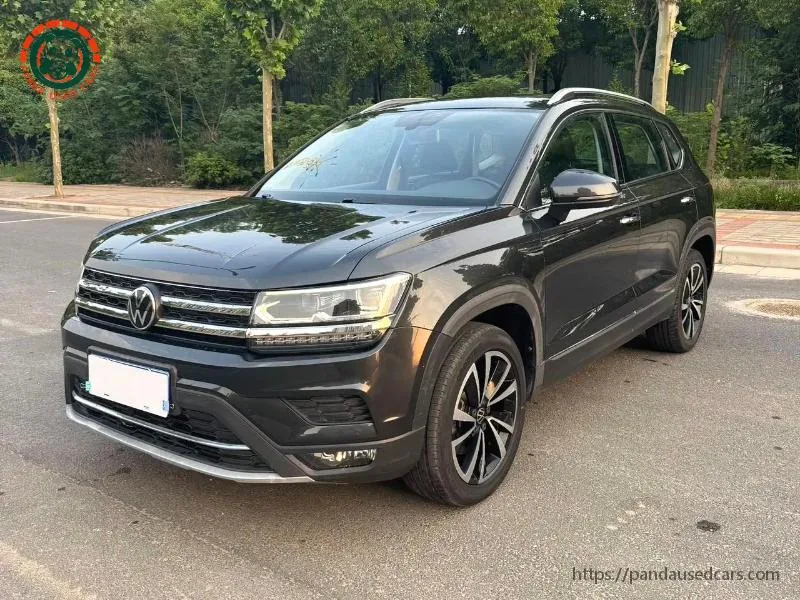
Both names cover multiple generations and market configurations.
Decision boundary
Match model year, body, engine, gearbox or hybrid system, driven wheels, cabin task and required safety functions.
Evidence register
Use service records, structural inspection, diagnostics and destination parts research on both cars.
Where the risk sits
A familiar badge does not prove clean history, while a feature list does not prove overseas support.
Candidate scenario
Apply the same passenger task, condition standard and cost boundary to both candidates.
Version-specific control
Comparison starts with exact variants and one buyer task. Use identical evidence columns for condition, powertrain, space, support, insurance and registered cost.
Export and ownership consequence
The winning model is the candidate that best fits the destination task with acceptable evidence, not a universal brand verdict. Record who must confirm each open field, what document or test closes it, and when that evidence expires.
Buyer hold points
Mark generation, powertrain, cabin task before commercial acceptance. Keep inspection, support, cost visible until the responsible reviewer closes them. A changed VIN, beneficiary, delivery point or accepted exception reopens the affected gate.
Arrival handover
Freeze odometer, warnings, keys, accessories, body condition and unresolved actions before loading. Compare arrival condition with the loading file before cleaning or repair, and preserve the record for claims and workshop handover.
Set rejection rules before the seller discussion
Write which failures in generation, powertrain, cabin task make a Tiguan unsuitable even if the price falls. Separate those from repairable findings and preferences. For every unresolved item, record the maximum acceptable repair, delay or destination consequence. This prevents negotiation from quietly changing the buyer's original standard.
Make the result repeatable
Give a second reviewer the VIN file without the seller's summary. That person should locate the evidence behind inspection, support, cost and explain the pass, hold or reject result. If the answer depends on an undocumented conversation, obtain a dated written statement or leave the field unconfirmed.
Audit the file before approval
Use the same decision boundary for both vehicles. Match market, model year, body, powertrain, condition standard, included services and destination delivery point before ranking space, equipment or cost. Brand reputation and brochure claims describe categories, not the two actual VINs under consideration. Give greater weight to verified condition, local workshop support, parts access and adverse landed cost than to a longer feature list that may not operate after export.
Read the record as if the original salesperson were unavailable. The conclusion about generation, powertrain, cabin task, inspection, support, cost should remain traceable to dated evidence. Resolve contradictions rather than selecting the most convenient source, and preserve every market, year, test-condition or quotation-period limit beside the claim. Record the reviewer, review date, unresolved questions and next expiry point so another person knows what must be refreshed before approval.
Record the decision, not just the data
Finish with pass, hold or reject. A hold names the missing evidence, owner and deadline. Approval means the remaining limits are understood; it does not turn an unknown into a confirmed feature.
Keep a dated source beside every material conclusion. If the seller changes the vehicle, repeat the affected checks instead of carrying approval to another VIN or model year.
Volkswagen Tiguan vs Honda CR-V: Buyer Comparison: buyer checklist
- Generation
- Powertrain
- Cabin task
- Inspection
- Support
- Cost
Use one evidence standard for both SUVs
Identify the exact Tiguan and CR-V generations, engines, gearboxes or hybrid systems before comparing cabin claims. Apply the same structural and diagnostic inspection to both used candidates, and measure their passenger and cargo task rather than relying on model-wide space rankings.
Destination support can change the answer. Verify fuel, fluids, diagnostic tools, parts, insurance and resale, then compare both cars with the same delivery and registration boundary. When one candidate is new and the other used, apply the new-versus-used evidence rules. Brand familiarity is valuable only when local support and the individual vehicle record substantiate it.
Write the result for this buyer
State which candidate wins for passenger task, route, workshop support, verified condition and adverse cost. If those priorities change, the result may change. A useful comparison records the trade-off instead of claiming one SUV is universally superior. Preserve the rejected candidate's evidence so the decision can be reviewed if price or availability changes.
Buyer questions
Which has more space?
Verify exact body and measurements.
Which is cheaper to maintain?
Use local parts, labour and powertrain evidence.
Should brand reputation decide?
No. Candidate condition and destination support matter.